SimXperience: Clinical Skills Immersion
SimXperience: Clinical Skills Immersion with Dr. Adam Breslin
Sponsored by Teleflex, Greater Valley EMS, and the Simulation & Advanced Skills Institute (SASI) at Robert Packer Hospital.
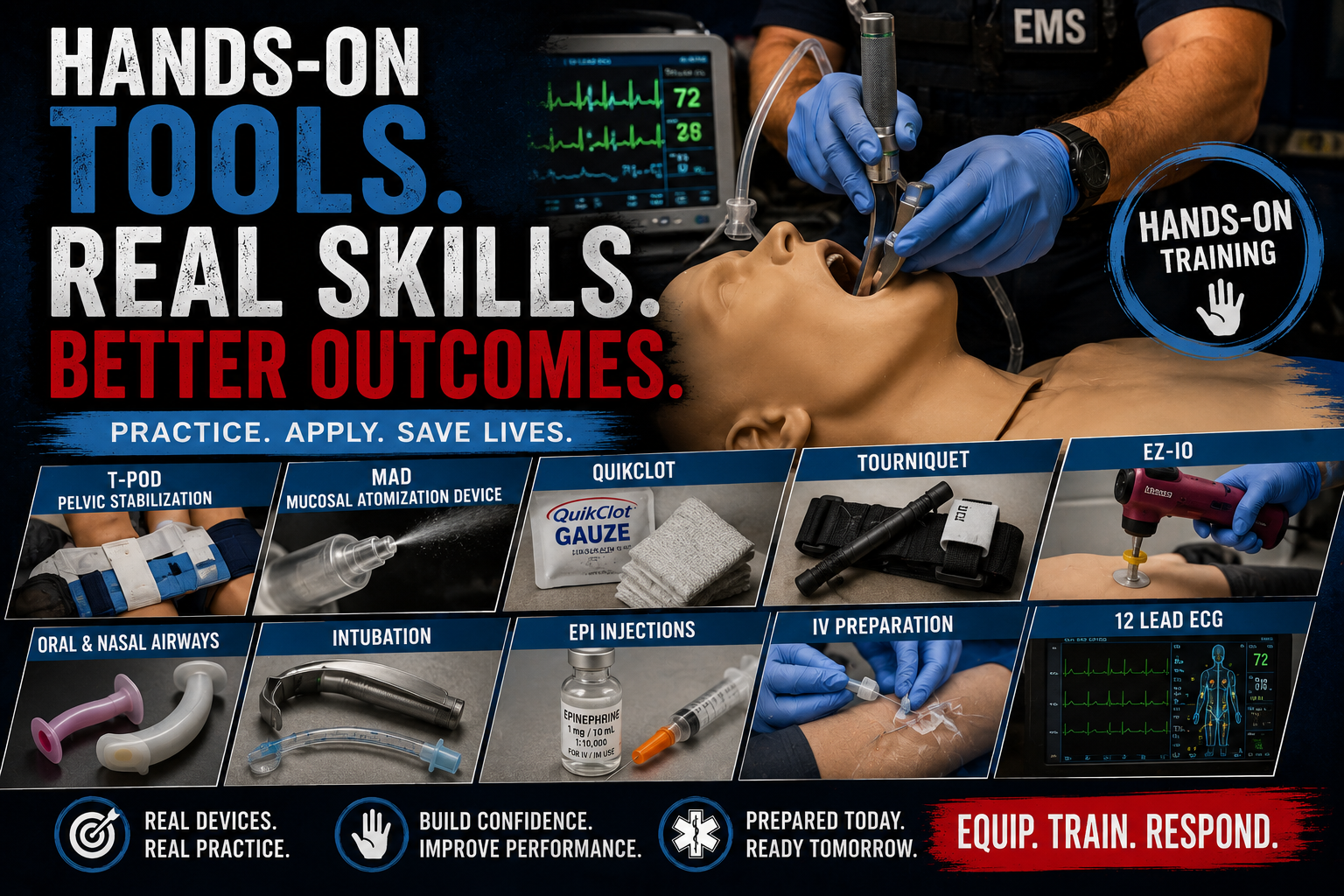
Pre-conference kinesthetic kick-off, by popular demand, this hands-on training will focus on a variety of tools and techniques that first responders encounter and use throughout their shifts. At the end of the session, participants will have a comprehensive understanding of the importance of these devices, their role in their application, and hands-on experience with the following: T-Pod Pelvic Stabilization device, MAD (Mucosal Atomization Device), QuikClot, Tourniquet, EZ-IO, oral & nasal airways, intubation, EPI injections, IV preparation & starting, and 12 lead ECG.
Is it Trauma or Drama
Is it Trauma or Drama?
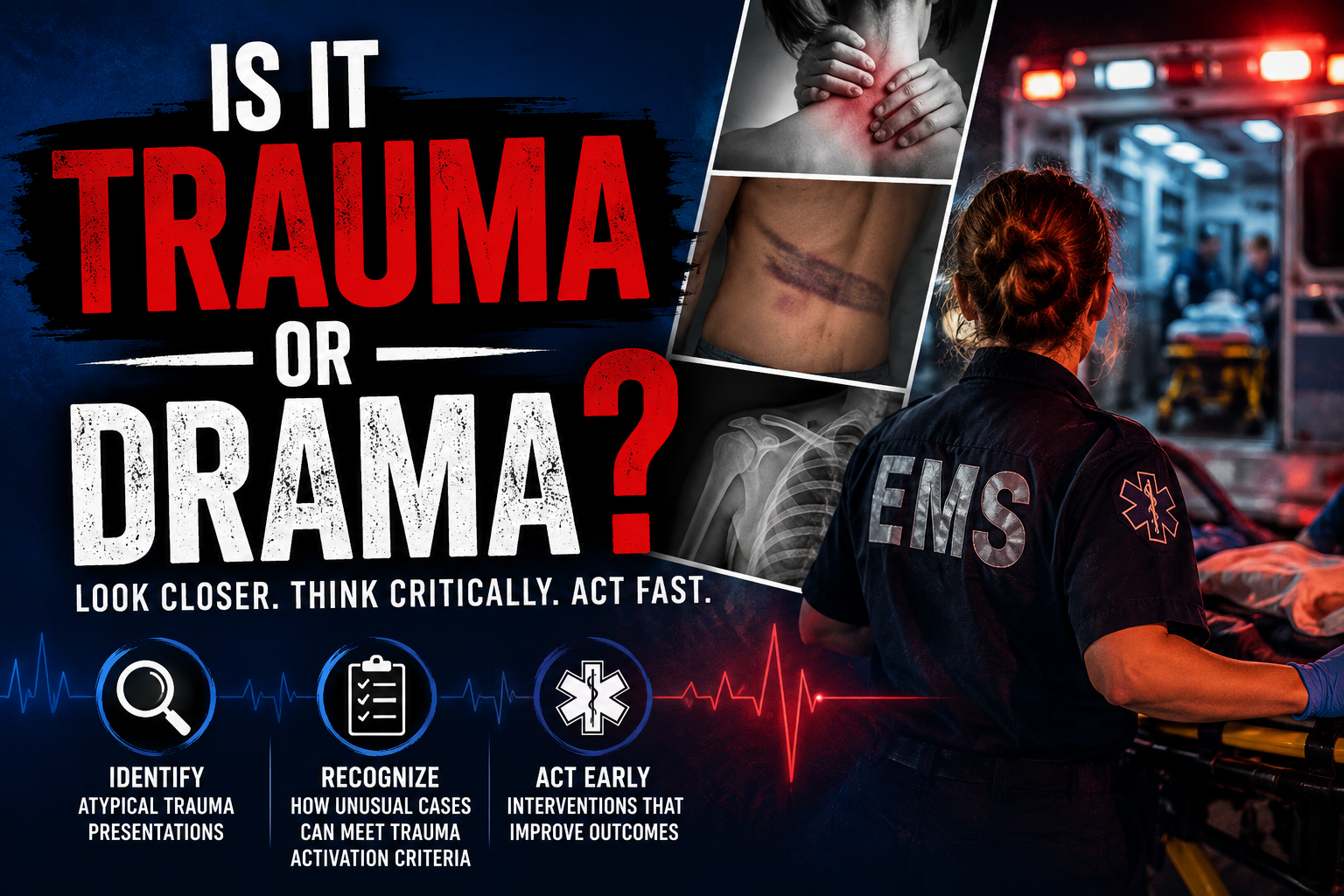
This interactive presentation provides case-based learning discusses a variety of atypical trauma presentations. The highly engaging speaker highlights unusual presentations and/or injuries that can often be mistaken for other etiologies or overlooked. The pathophysiology and initial interventions that may be required are reviewed.
Objectives:
Identify atypical trauma presentations
Discuss how unusual cases can still meet trauma activation criteria
Articulate early interventions to improve outcomes from traumatic injuries
Beyond the Baby: Managing Postpartum Emergencies in the Field
Beyond the Baby: Managing Postpartum Emergencies in the Field
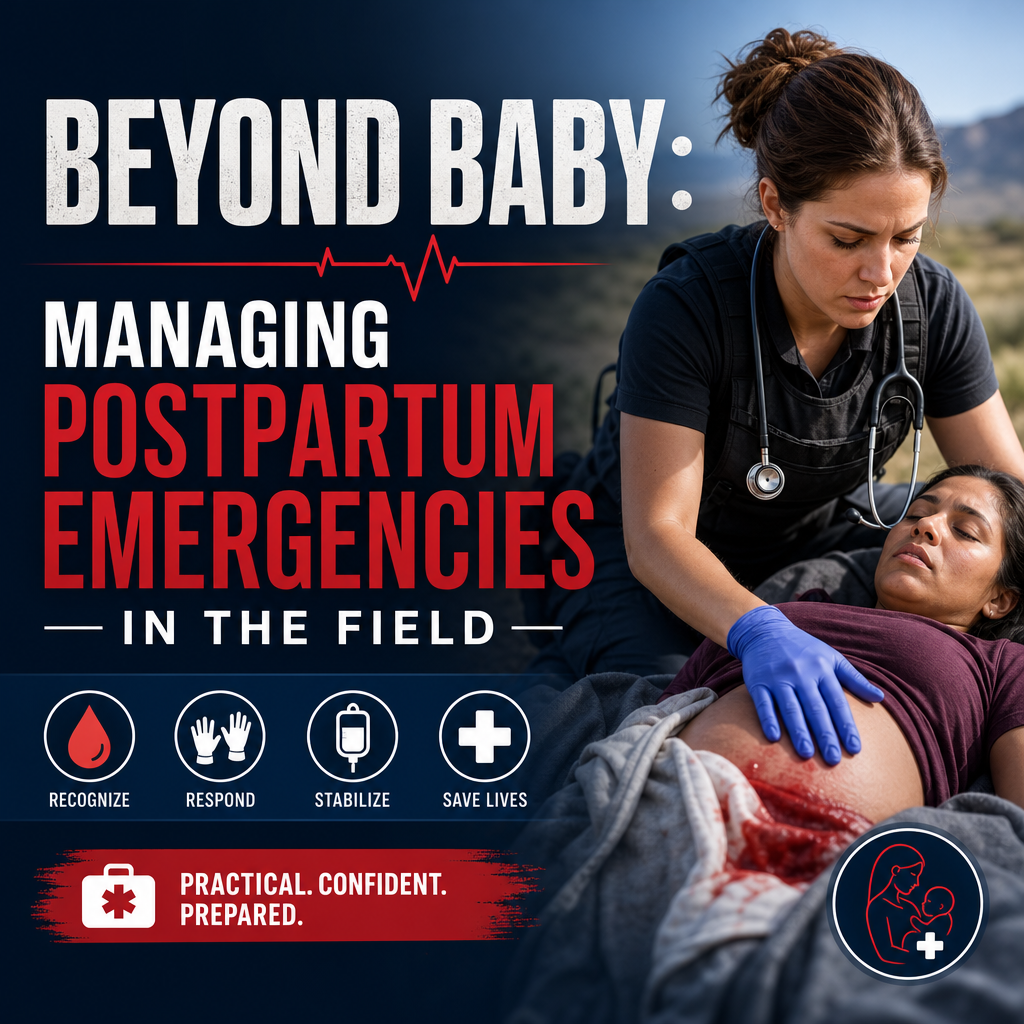
Postpartum emergencies often include headache, eclampsia, infection, heart failure, and hypertension. Failure to recognize and treat these conditions can lead to disastrous consequences for the patient, including stroke, permanent brain damage, or death. This presentation will discuss the various types of emergencies to be aware of and how to manage these patients in the pre-hospital environment. At the end of this presentation, the participant will be able to:
1. Identify the pathophysiology and presentation of pre-eclampsia/eclampsia.
2. Discuss what an amniotic fluid embolism is.
3. Describe common types of postpartum emergencies.
4. Explain the etiology behind postpartum bleeding.
Simplifying the Squiggles
Simplifying the Squiggles: EKG for BLS (any) Providers.
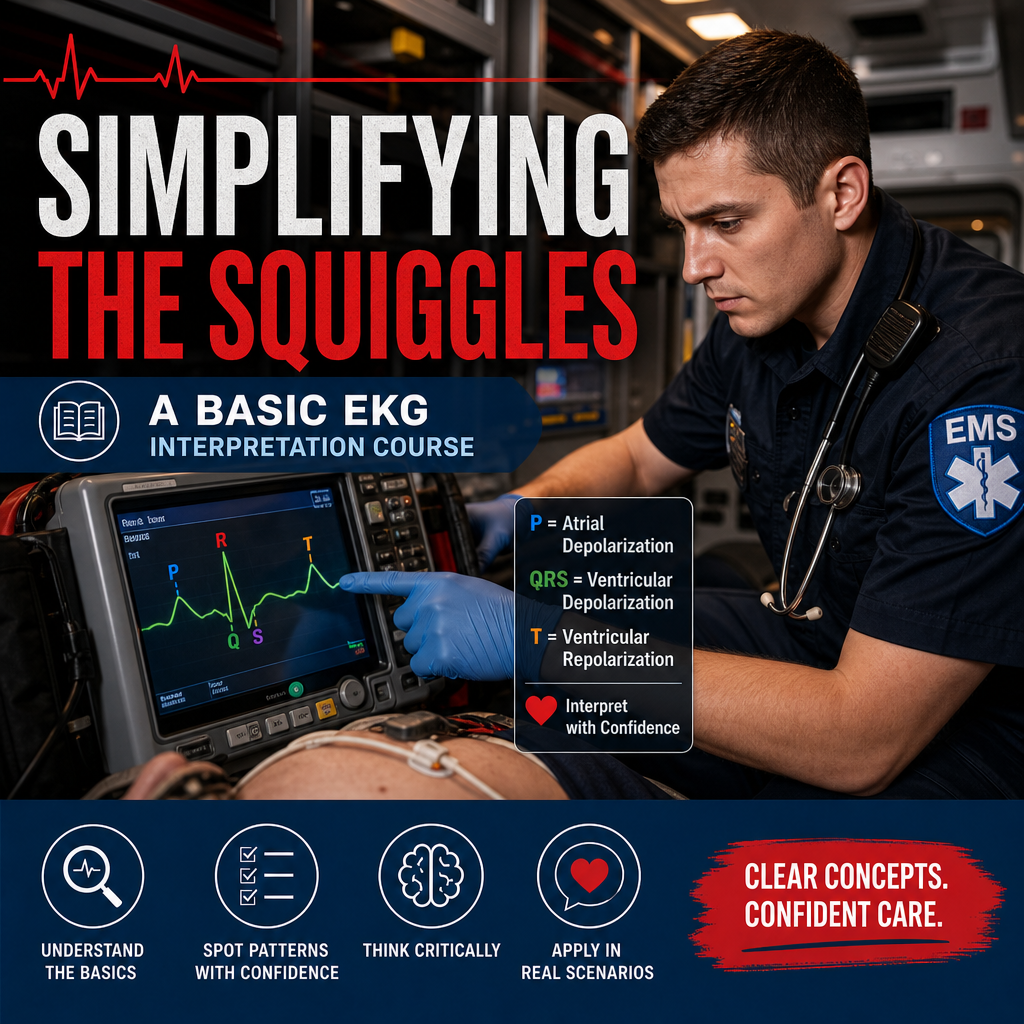
This informative lecture is designed to equip EMT-B students with the foundational knowledge and skills needed to interpret Electrocardiograms (EKGs) in Basic Life Support (BLS) settings. Students will delve into the principles of cardiac electrophysiology, recognize normal and abnormal EKG patterns, understand how to apply EKG electrodes, and better assist ALS in interpretation in the pre-hospital environment. This session promises a comprehensive blend of introductory theory and practical application, enhancing the competency of any level of provider in cardiac monitoring and patient care.
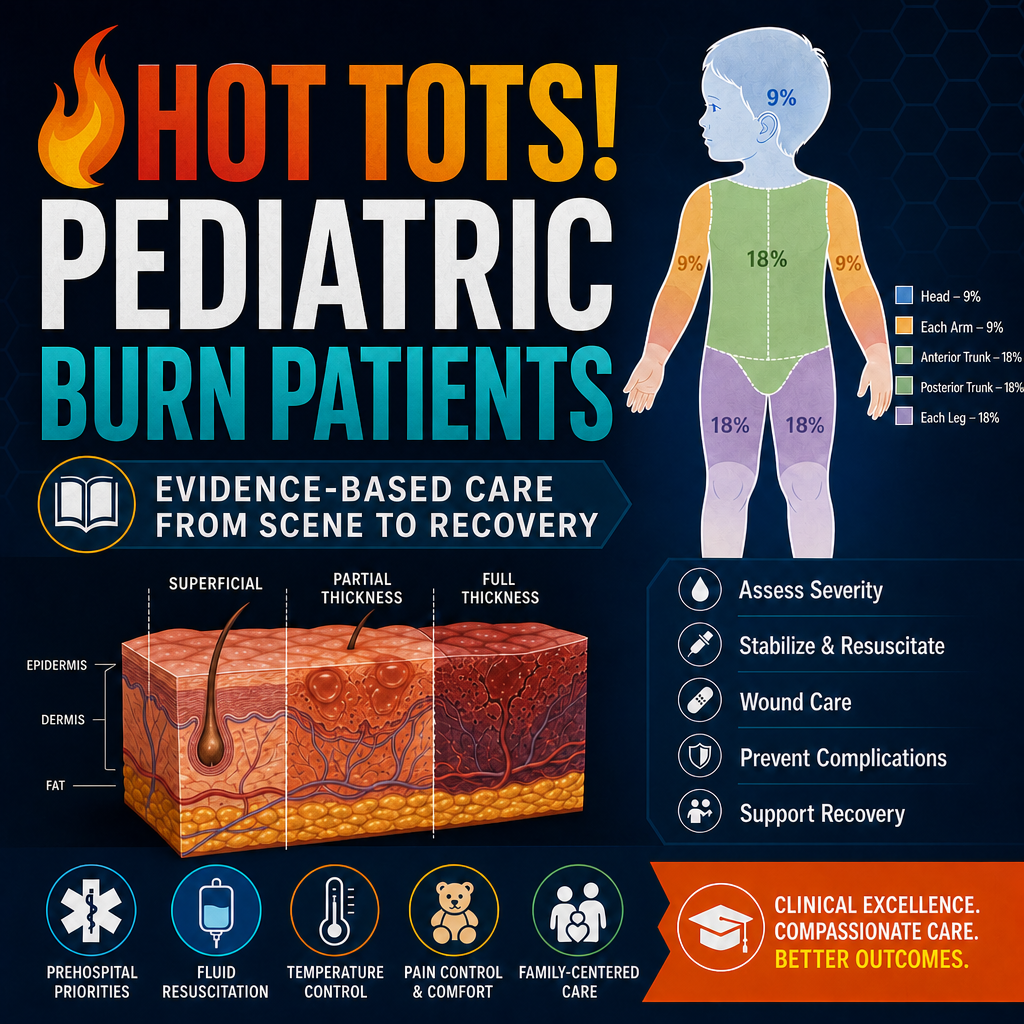
Hot Tots! Pediatric Burn Patients
Hot Tots! Pediatric Burn Patients
There are approximately 3,000 pediatric deaths annually due to burns and probably three times as many disabling injuries. Burns not only affect the body physically, but also the lifelong emotional well-being of individuals who must deal with any disfigurement that occurred from a burn. This presentation will help the EMS provider provide proper, rapid assessment and care to a pediatric patient sustaining a burn from flame, electrical, and/or inhalation injury. At the end of the presentation, the participants will be able to:
1. The participant will be able to explain the anatomical differences between an adult and child airway.
2. The participant will be able to estimate a burn surface area on a child or infant.
3. The participant will be able to discuss the proper treatment for a child or infant who is burned.
4. The participant will be able to define the different depths of a burn.
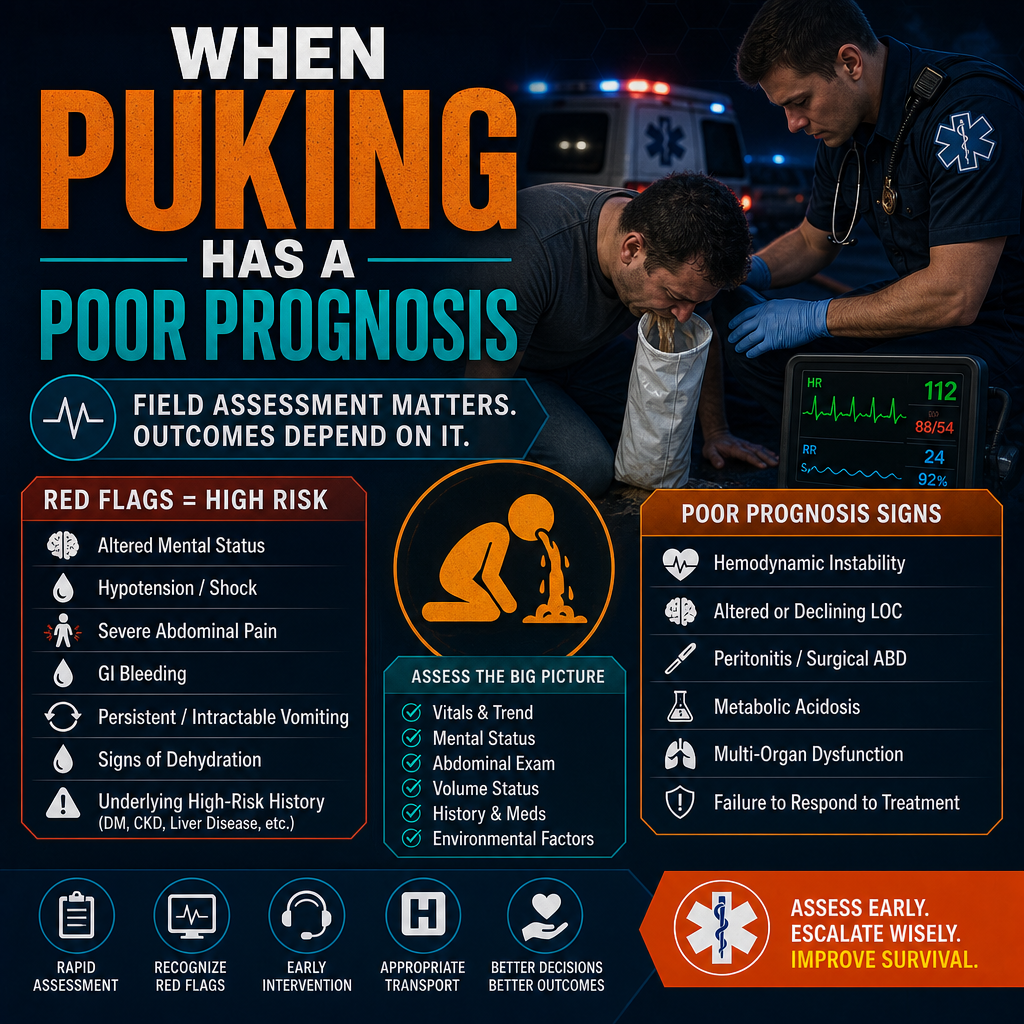
When Puking Has a Poor Prognosis
When Puking Has a Poor Prognosis
Nausea and vomiting are non-specific symptoms of medical illness that are common findings for many patients EMS sees every day. And being such a benign sign and symptom, they commonly get ignored while looking for a cause of a patient’s ailment. This presentation discusses some of the more dangerous, possibly fatal conditions that sometimes only manifest as nausea and vomiting. After this presentation, the participants will be able to:
1. Discuss how an accurate patient history helps to differentially diagnose a patient with nausea and vomiting.
2. Explain the necessity for a thorough review of body systems in a patient with nausea and vomiting.
3. List five dangerous underlying medical causes that present with nausea and vomiting.
4. Describe the management of conditions that present with nausea and vomiting.
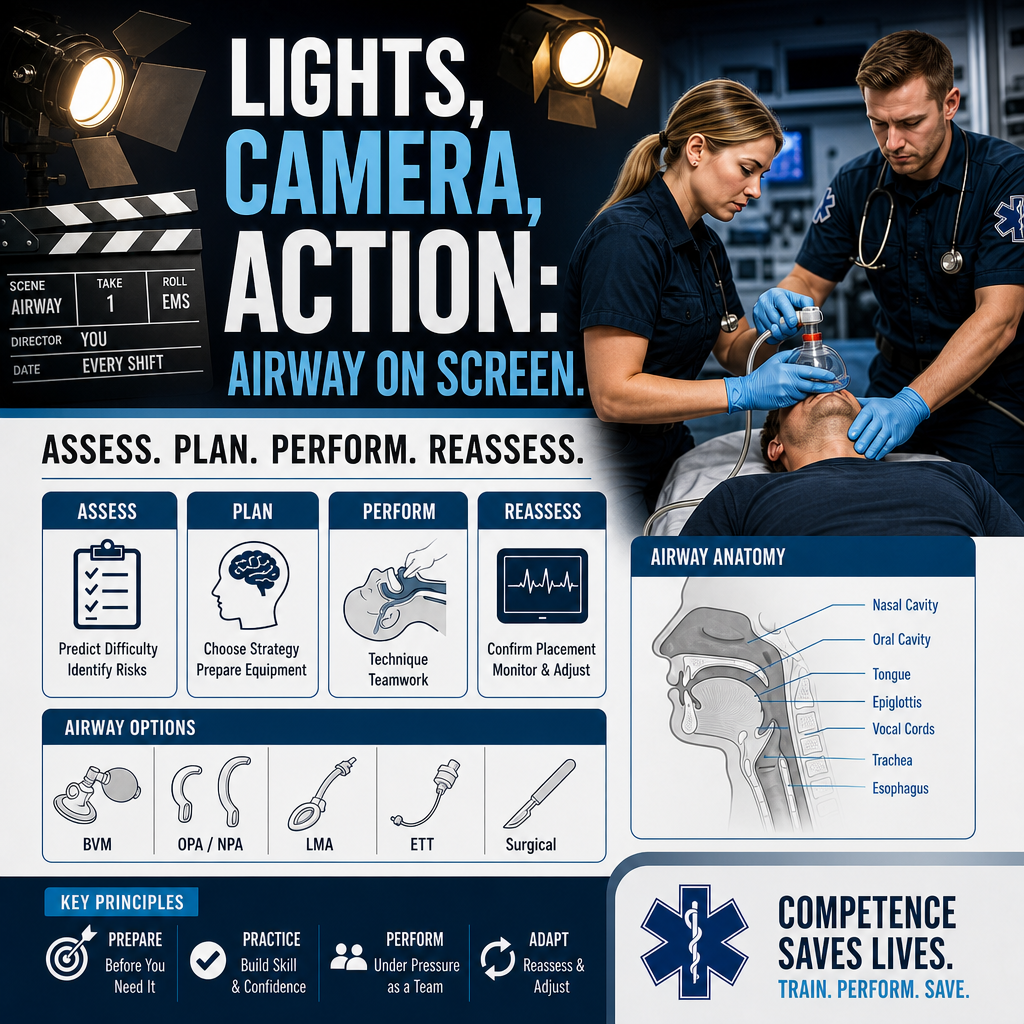
Lights, Camera, Action: Airway on Screen
The learner will review difficult airway cases caught on camera. These cases offer rich qualitative data to reflect on how to best manage the most difficult airways. The learner will be guided on management techniques to utilize when using video-assisted intubation. Viewer discretion is advised as some cases are graphic.
Following participation in the presentation, the learner will learn the appropriate techniques that can improve intubation success when using video-assisted intubation devices; will recognize anatomical landmarks that can aid in the success of an intubation and landmarks that techniques failures; will be given an opportunity to reflect on ways to improve his or her approach to a difficult airway using case-based video presentations.
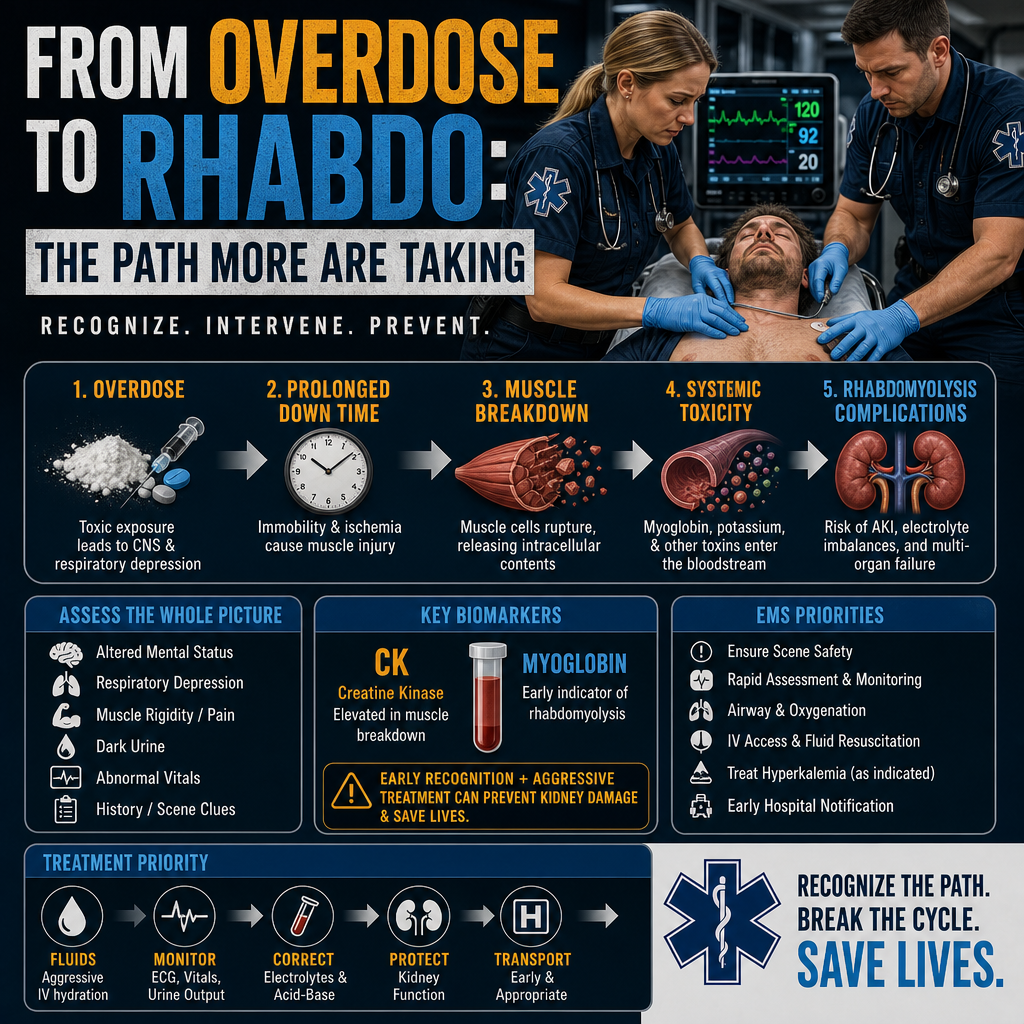
From Overdose to Rhabdo: The Path More are Taking
From Overdose to Rhabdo: The Path More Are Taking
Rhabdomyolysis is a serious medical condition usually attributed in the prehospital setting to crush injuries, such as motor vehicle accidents and building collapses. However, the majority of Rhabdo cases are not caused by these infrequent incidents. One of the most common causes of rhabdomyolysis is prolonged overdose, particularly opioids, which are still increasing in frequency. In many of these situations, the administration of naloxone may be contraindicated and overall harmful to the patient’s prognosis. This presentation will discuss the pathophysiology of overdose-induced rhabdomyolysis and how to properly begin treating these patients in the field. After attending this presentation, the learner will be able to
- Recognize the difference between an acute overdose and a prolonged overdose.
- Consider the likelihood of rhabdomyolysis in a prolonged overdose patient.
- Develop treatment priorities, including possibly withholding naloxone, to lead to the best patient outcome.
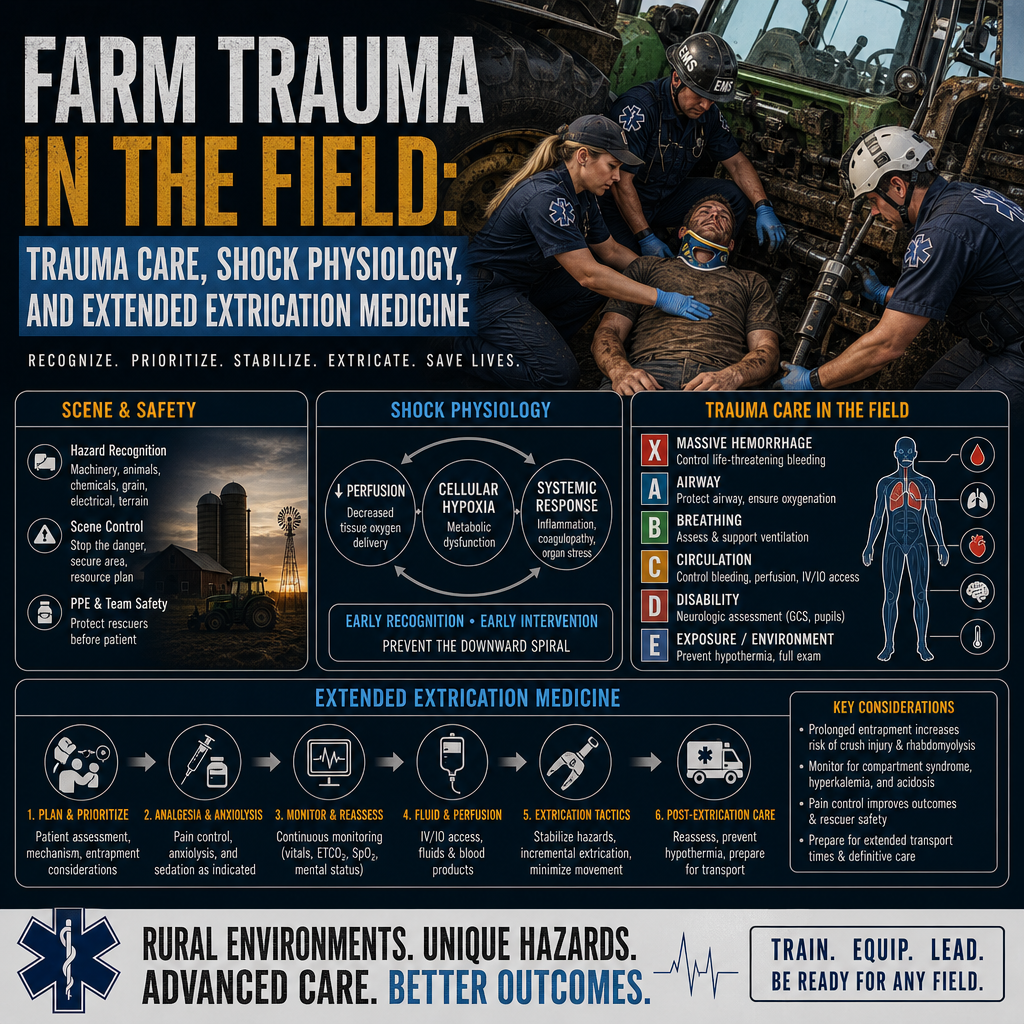
Farm Trauma in the Field: Trauma Care, Shock Physiology, and Extended Extrication Medicine
Farm Trauma in the Field: Trauma Care, Shock Physiology, and Extended Extrication Medicine
Agricultural incidents challenge rural EMS providers with a combination of severe injury, hazardous environments, and prolonged extrication times. Farm trauma frequently involves tractor rollovers, machinery entanglement, runovers, animal-related injuries, and confined-space or chemical exposures, all occurring in settings where distance, terrain, and limited resources can delay definitive care. This session equips EMS clinicians with a practical, physiology-driven approach to the farm trauma patient, from initial scene size-up through transport decision-making.
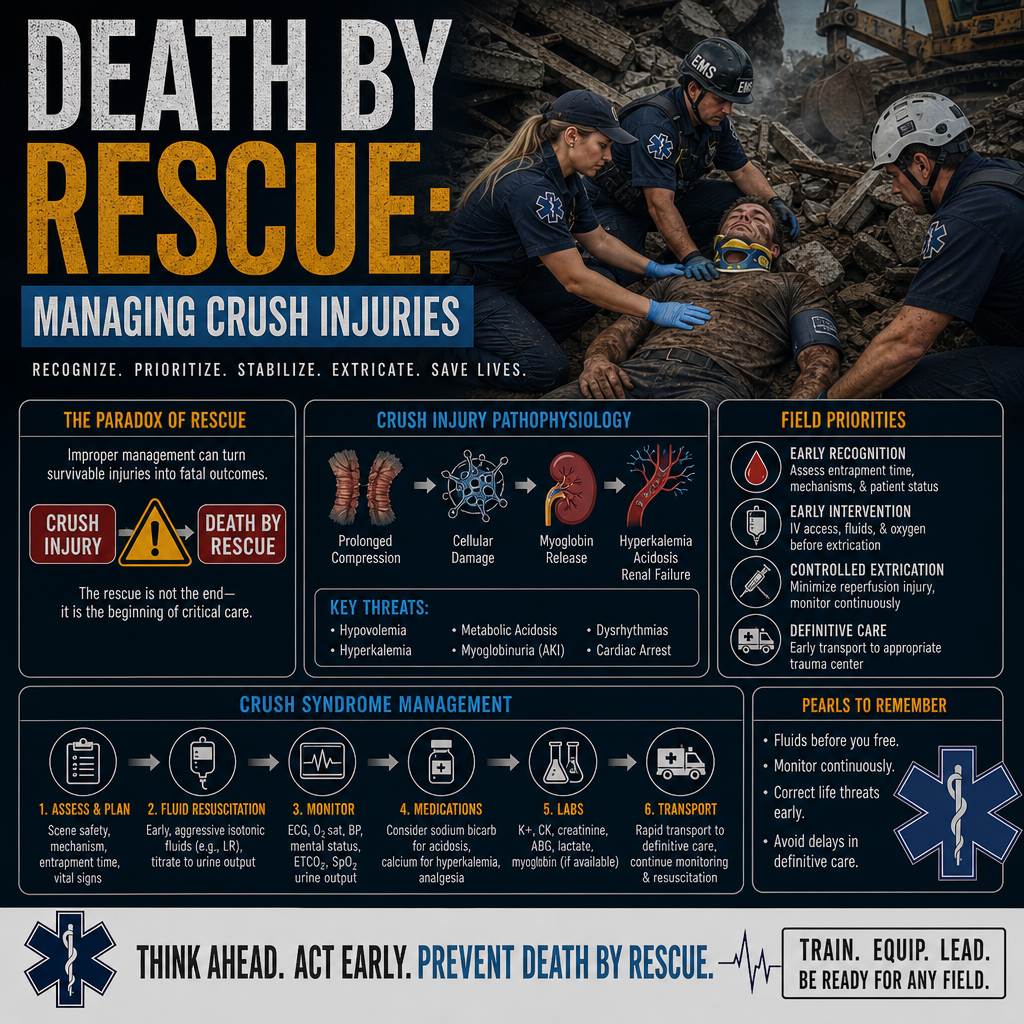
Death by Rescue: Managing Crush Injuries
Death by Rescue: Managing Crush Injuries
The most important component of Technical Rescue is the rescue. Rescue implies the removal of a LIVE victim, which can only be accomplished with a built-in, comprehensive medical program. In many cases, lack of a medical component and prompt, advanced patient care will result in adverse effects and/or death. While all programs stress the highly technical component of scene stabilization and victim disentanglement, only some programs also stress the vital patient care and packaging needed to maximize patient outcome. This course will focus on “bridging the gap” between Rescue and Medical in complex technical rescue situations to avoid the proverbial “death by rescue.” After attending this presentation, the learner will be able to
- Assess crush injuries based on mass and energy of trauma.
- Synthesize a treatment and extrication plan based on all factors involved.
- Justify the use of additional resources for extended rescue/medical operations